The short answer: in the UK in 2026, an interior designer typically charges £500 to £3,000 per room for a fixed design package, £50 to £120 an hour outside London (£150 to £250 in high end London studios), or 10 to 20 per cent of the total project spend. A full service fixed fee usually runs from £2,500 to £15,000 and upward. Design fees are separate from the cost of furniture, building work and materials.
How much does interior design cost in the UK is one of the first questions we are asked, and one of the hardest to answer with a single figure. The honest range is wide, because a designer's fee depends on the size of the room, the depth of the work and the standard you are building to. This guide sets out the real numbers for 2026, the main ways interior designers charge, and what genuinely drives the cost of a project, so you can plan your budget before you speak to anyone.
What Interior Design Costs in the UK in 2026
As a starting point, here are the ranges most reputable UK studios work within this year. These are design fees only. They are separate from the cost of furniture, building work and materials, which we cover further down.
| How the designer charges | Typical UK range in 2026 | Best suited to |
|---|---|---|
| Fixed design package, per room | £500 to £3,000 for a scheme you then implement, more for a fuller service | One or two rooms, or a clear brief |
| Hourly rate | £50 to £120 an hour outside London, £150 to £250 for high end London studios | Advice, a single consultation, small tasks |
| Percentage of project spend | 10 to 20 per cent of the combined build and furnishing budget | Larger renovations and whole house schemes |
| Fixed full service fee, concept to completion | £2,500 to £15,000 and upward, depending on rooms and scope | Whole home projects where you want one price |
Location matters. A studio working in central London will often charge 30 to 50 per cent above the equivalent studio in Yorkshire or the north, for the same brief. That is one reason a great deal of our work is for clients who want a genuinely high standard without a London postcode attached to the invoice.
The Main Ways Interior Designers Charge
There is no single industry standard, and the way a designer charges tells you a lot about how they work.
Fixed fee per room or per project
You agree a set price for a defined piece of work before it begins. This is the most transparent model for a client, because you know the number from the start and it does not move if the project takes longer than expected. It suits people who want certainty and a clear brief.
Hourly or day rate
You pay for the designer's time as you use it. This can work well for small pieces of advice or a single consultation, but on a full project it makes the final figure harder to predict, and it can penalise you for asking questions.
Percentage of project cost
The fee is set as a percentage, usually 10 to 20 per cent, of the total spend on the room or the house. On a £30,000 renovation that is roughly £3,000 to £6,000 in design fees. It is common on larger schemes, though it does mean the designer's fee rises as your budget does.
Procurement margin
Some studios charge little or nothing up front and instead take a margin on the furniture and materials they buy on your behalf. It can look inexpensive at first glance, so it is always worth asking exactly how a studio makes its money before you commit.
What Actually Drives the Cost
Two projects of the same size can cost very different amounts. The main factors are straightforward once they are named.
- Scope. Redecorating a room costs a fraction of a full renovation that touches walls, floors, lighting and joinery.
- Size. More rooms, and larger rooms, mean more to design, specify and make.
- Quality of materials. A hard wearing wool, a solid timber frame and a properly interlined curtain cost more than their budget equivalents, and last far longer.
- Bespoke versus off the shelf. Made to measure pieces are specified and built for your home, which carries a higher price than choosing from a range.
- Structural and joinery work. Anything that changes the building itself adds cost and coordination.
- Project management. Running trades, deliveries and installation to a schedule is real work, and it is often folded into the fee.
Design Fees Are a Fraction of the Total
It helps to separate the designer's fee from the cost of the room itself. On most projects the design fee is a small part of the whole. A useful rough split is around 60 per cent on construction and trades, 25 per cent on furniture and fittings, and 15 per cent on design fees and contingency.
For context, a full living room redesign including furniture typically lands between £8,000 and £20,000, and furnishing a whole house to a high standard commonly runs from £15,000 to £50,000 and beyond. Whatever your figure, we would always suggest holding back 15 to 20 per cent as a contingency.
Does the Fee Include Furniture?
No. A design fee pays for the designer's time and expertise: the concept, the scheme, the specification and, on a full service, the project management. The furniture, fabrics, flooring, lighting and trades are paid for separately, either by you directly or through the studio. Some studios supply the furniture and take a margin instead of, or as well as, a fee, so always ask for a clear statement of what is included and how the studio is paid.
Are Interior Design Consultations Free?
Practice varies. Some studios charge for an initial consultation, sometimes crediting it against the fee if you proceed, and others do not. It is worth asking before you book. Our initial consultation at ZEBA is free and carries no obligation.
How Much Does Commercial Interior Design Cost?
Commercial projects are priced differently from homes. Fees are normally set by the scope of the work, such as the number of rooms, covers or keys, and the size of the furniture, fixtures and equipment (FF&E) package, rather than by the room. Commercial specifications also carry extra requirements, including contract grade fabrics, durability and fire safety, which affect cost. If you are planning a hotel, restaurant or care setting, our guide to fire safety for contract upholstery explains what to specify and what to ask a supplier.
Where Bespoke Changes the Maths
A made to measure sofa costs more than a similar looking one from a showroom. Judged over a single year, off the shelf wins. Judged over the life of the piece, the sums often reverse.
A well built frame in a good fabric is designed to last 25 years and can be reupholstered rather than replaced. A budget piece is frequently replaced within five. Because we design and make in our own workshop in Shipley, there are fewer layers between you and the making, and less margin stacked along the way. You are paying for the frame, the fabric and the craft, not for a chain of suppliers. You can see how this works across our bespoke furniture and residential design services, and our separate guide shows what a bespoke sofa costs and where the money goes. If you are planning window treatments, see how to measure for curtains, and for a first step in choosing who to work with, read how to choose an interior designer.
How We Structure Cost at ZEBA
We do not hand out a one size fits all price, because it would be meaningless. Instead we begin with a conversation about your rooms, the way you live and the budget you have in mind. From there we develop a scheme and agree the specification, the fee and the timeline clearly, before anything is confirmed. There are no surprises later, because the numbers are settled at the start.
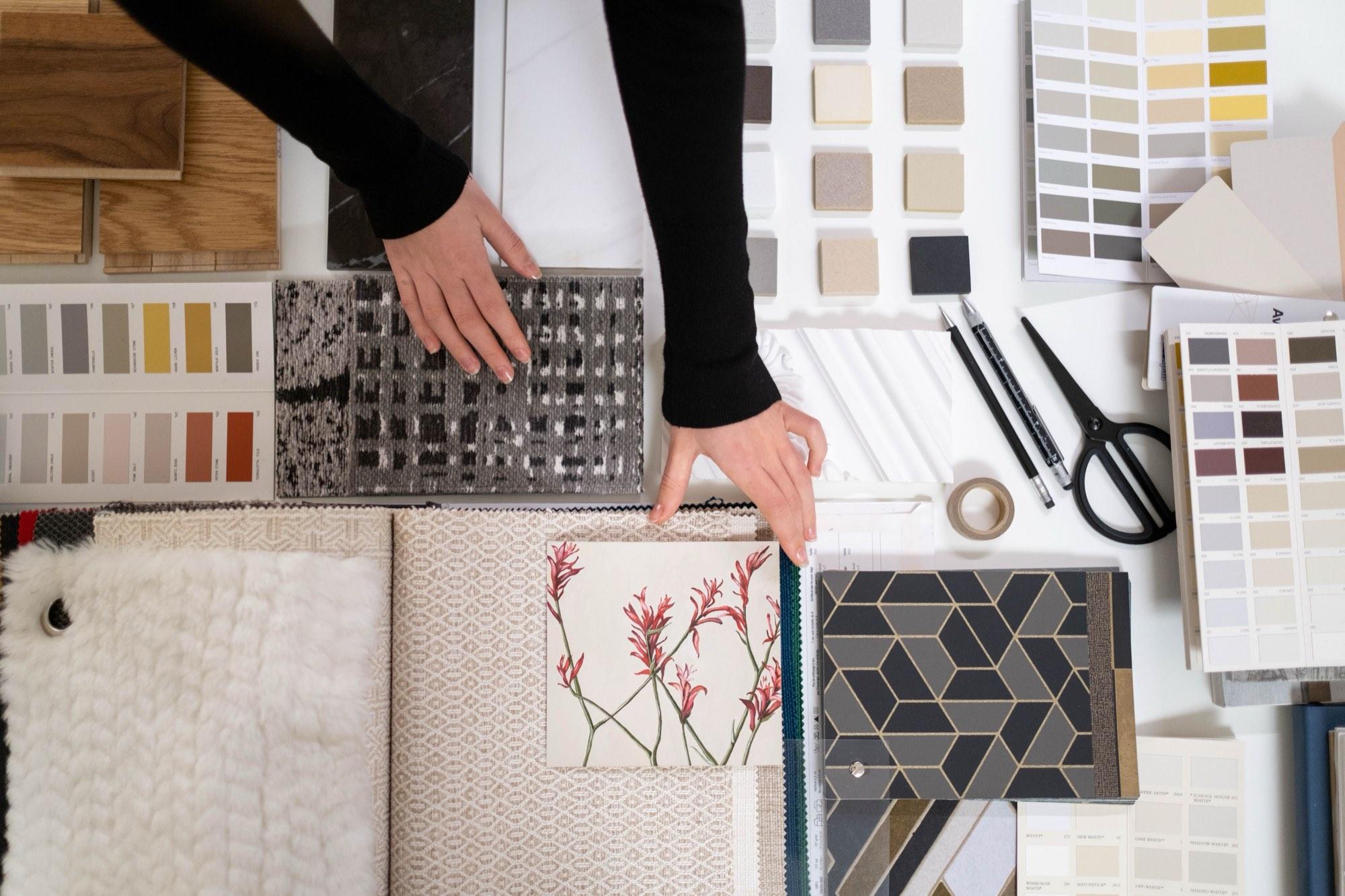
Clients are also welcome to visit the studio and the fabric library in person, handle the materials and see how they behave at scale. It is the single best way to understand what your budget actually buys.
Getting an Accurate Figure for Your Home
The only honest way to price an interior is to talk about your specific rooms, brief and budget. Ranges like the ones above are useful for planning, but your project is not a range.
If you are weighing up a project in West Yorkshire, across England or in Scotland, book a consultation or reach us at info@zebainteriors.co.uk or on 07982 778565. We will give you a clear sense of cost before you commit to anything.